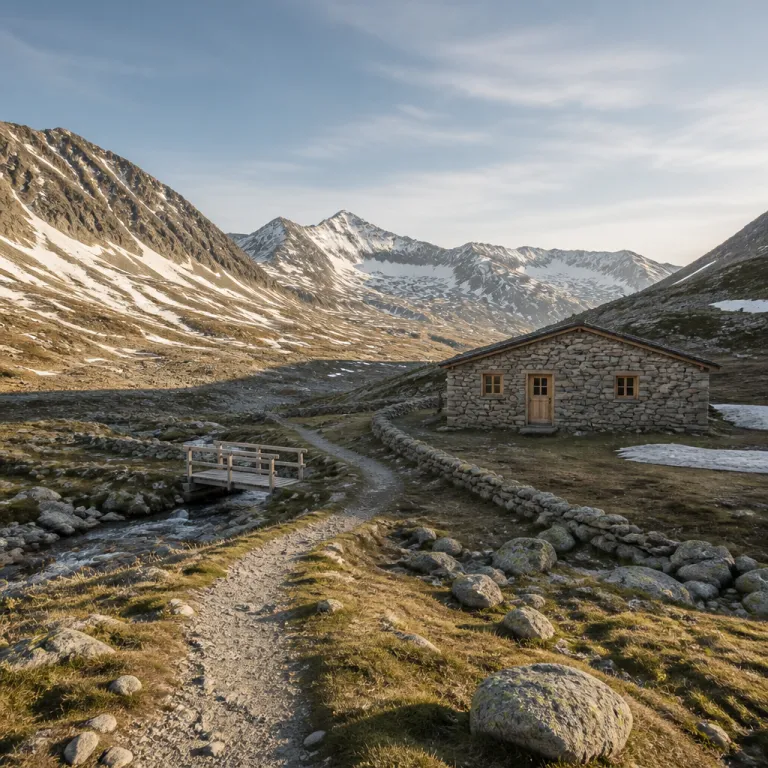
Why madriu perafita claror valley andorra matters for luxury travelers
The Madriu-Perafita-Claror valley in Andorra is not just another scenic valley. This glacial valley is a UNESCO heritage site that protects 4,247 hectares of high mountain landscapes shaped by centuries of pastoral life. For travelers staying in premium hotels in Andorra la Vella or Escaldes-Engordany, it is the single most important cultural landscape you can reach entirely on foot.
Most guests check into a luxury property in Andorra and focus on ski passes, shopping streets and spa circuits, while the Madriu, Perafita and Claror basins remain a name on a map. Yet this valley area, carved by ancient ice and framed by peaks close to 2,900 meters, holds the clearest story of how Andorrans turned a harsh mountain region into a working landscape. When you walk into the vall del Madriu rather than just look at it from a terrace, you step into a living archive of routes, stone huts and irrigation channels that still structure local life.
UNESCO classifies the Madriu-Perafita-Claror valley as a cultural landscape because human activity and natural beauty are inseparable here. The shepherd paths that thread through each glacial valley, the dry stone huts known as bordes and the terraced meadows are not museum pieces but functioning infrastructure. For a couple used to curated luxury, the real upgrade is this : a heritage site that you can access in a few hours of hiking directly from Escaldes Engordany, without sacrificing the comfort of your hotel bed at night.
From escaldes engordany to vall madriu: how to reach the trailheads
For most travelers, the most practical gateway to the Madriu-Perafita-Claror valley is Escaldes-Engordany, the spa-focused parish that merges seamlessly with Andorra la Vella. From the upper streets of Escaldes Engordany, signed paths lead you out of the urban area in minutes and into the first folds of the vall del Madriu. There are no roads into the core valley, so every visit is earned on foot, which keeps the experience quiet even in peak season.
The classic access for first time visitors starts near the Borda Gabriel area above Escaldes, where the path climbs steadily along the river del Madriu. Expect around two to three hours of hiking to reach the first clusters of restored stone huts, depending on your pace and how often you stop to photograph the glacial valley views. The technical difficulty on this lower section is moderate, with well maintained paths, some rocky steps and enough elevation gain to feel like a real mountain walk without requiring mountaineering skills.
If you are based in a luxury hotel in Andorra la Vella, you can still treat the vall Madriu as an elegant day excursion. A short taxi ride to Escaldes-Engordany shortens the approach time, allowing you to focus your hours on the most atmospheric stretches of the valley. For a deeper planning overview that links specific hikes to hotel locations, use a specialist guide such as this analysis of how Andorra’s hiking network maps onto your hotel choice, then speak with your concierge to match routes with your fitness level.
Reading the landscape: glacial forms, stone huts and living heritage
Walking into the Madriu-Perafita-Claror valley is like reading a long, precise story written in stone and water. The broad U shaped glacial valley, polished rock slabs and lateral moraines show exactly how the ice once moved through this region, while the river del Madriu now threads quietly along the floor. Above, you see the transition from oak and pine forests to open alpine meadows, where summer grazing still defines the rhythm of time.
Scattered across the slopes are the stone huts that make this UNESCO heritage site unique for culturally curious travelers. These traditional bordes, often clustered in small groups, were built to store hay and shelter shepherds who moved between the Madriu, Perafita and Claror sectors with their flocks, following transhumance routes that predate modern borders. When you pause beside one of these huts, you are not just admiring rustic architecture ; you are standing inside the infrastructure that allowed Andorrans to survive in a narrow mountain economy.
The cultural layer continues in the dry stone walls, irrigation channels and terraced plots that still guide water and animals through the vall Madriu. This is why the valley is classified as a heritage site rather than a simple natural park, and why it deserves a place in any premium itinerary focused on culture and outdoor adventures. To align your visit with Andorra’s wider summer calendar of events and festivals, pair your hike with insights from a resource such as this guide to what Andorra’s summer activity calendar holds for a premium stay, then let the valley provide the quiet counterpoint.
Planning your hike: routes, technical difficulty and best time to go
For a couple staying in a luxury hotel, the most realistic way to experience the Madriu-Perafita-Claror valley is through curated day hikes. The lower vall del Madriu from Escaldes Engordany to the first stone huts offers a rewarding out and back route of four to six hours, with enough elevation gain to feel immersive but still accessible for reasonably fit walkers. The technical difficulty here is generally rated as easy to moderate, with clear waymarking and no exposure, although wet rock after rain can make some steps slippery.
Stronger hikers can extend the route deeper into the Madriu Perafita basin, continuing towards the high meadows that lead eventually to the Perafita Claror passes. These longer hikes can take eight to ten hours return, so an early start from Andorra la Vella or Escaldes-Engordany is required if you want to be back at your hotel spa before dinner. Always check the weather forecast, carry sufficient water and wear proper mountain footwear, because even a UNESCO valley close to urban areas remains a true high mountain environment.
The best time for most visitors is from late spring to early autumn, when snow has melted from the main paths and the glacial valley meadows are open. Shoulder periods can be particularly appealing for luxury travelers who value quiet trails and cooler temperatures, and this is where a planning window such as the one outlined in a guide to the short overlap between skiing and hiking season becomes useful. In winter, the valley transforms into a snow covered corridor where some sections remain accessible with snowshoes, but route finding skills and respect for shorter daylight hours are required.
How the unesco valley fits a luxury stay in andorra
One of the quiet luxuries of Andorra is how close serious nature sits to serious comfort. From a suite in Andorra la Vella or Escaldes Engordany, you can move from breakfast service to the trailhead of the Madriu-Perafita-Claror valley in less than half an hour, then return to a tasting menu and thermal spa after your hikes. Very few UNESCO cultural landscapes offer this combination of accessible mountain immersion and high end hospitality within such a compact area.
Think of the Madriu, Perafita and Claror sectors as the wild counterweight to the polished shopping streets and spa circuits of the capital region. A morning spent tracing glacial forms and stone huts in the vall Madriu gives sharper meaning to the Andorran cheeses, cured meats and mountain wines you will taste later in a dining room in Andorra la Vella. For couples, this contrast between outdoor adventures by day and candlelit comfort by night is precisely what turns a short break into a memorable stay.
Luxury hotels in Escaldes-Engordany are increasingly aware that guests want more than a generic hiking suggestion, so the best concierges now work with local guides who specialise in the Madriu perafita Claror valley. Ask for a private guide who can explain how the vall del Madriu once linked Andorra Madriu communities with the high pastures above Sant Julià de Lòria and beyond, and who can adjust pace and route to your preferred time on the trail. This is where a premium stay earns its label : not in marble lobbies, but in the quality of the stories you bring back from the valley.
Practicalities, ethics and what most guides forget to mention
Because the Madriu-Perafita-Claror valley is both a natural and cultural asset, a few practical details matter more than in a standard mountain walk. There is no road access into the core valley, so everything you bring in and out travels on your back, which keeps the area clean and the experience quiet. Wear appropriate footwear, check weather forecasts, carry sufficient water and respect local guidelines, because this is still a working landscape rather than a theme park.
Several unmanned mountain refuges dot the Madriu, Perafita and Claror sectors, offering simple shelter for hikers who want to extend their outdoor adventures beyond a single day. These refuges are not luxury properties, but they sit in positions that no hotel could ever occupy, with views across the glacial valley and night skies untouched by urban light. If you choose to stay overnight, plan your time carefully so that you can still enjoy the spa and dining experiences of your base hotel in Andorra la Vella or Escaldes Engordany before and after the refuge stay.
On the administrative side, the valley’s managers maintain a clear privacy policy and visitor regulations to balance rising visitor numbers with conservation goals. Official information emphasises that “What is the Madriu-Perafita-Claror Valley?” is answered simply as “A UNESCO World Heritage Site in Andorra, known for its glacial landscapes and cultural heritage.” For travelers, the ethical choice is straightforward : treat the vall Madriu and its stone huts as you would a private home, tread lightly, keep noise low and remember that this heritage site belongs as much to the shepherds of Sant Julià de Lòria as it does to the guests of five star hotels.
Key figures for the madriu-perafita-claror valley
- The Madriu-Perafita-Claror valley covers 4,247 hectares, making it one of the largest contiguous protected areas in Andorra and a significant portion of the country’s remaining high mountain landscapes (UNESCO data).
- The highest point in the wider valley system rises to 2,905 meters above sea level, which means even summer hikes can involve rapid weather changes and cooler temperatures than in Andorra la Vella (Visit Andorra figures).
- The valley is accessible year round in some form, but the main hiking season typically runs from late spring to early autumn, when snow free paths allow four to ten hour routes without technical equipment (local tourism offices guidance).
- Conservation authorities highlight that the site protects both natural beauty and more than seven centuries of pastoral infrastructure, which is why it is classified as a cultural landscape rather than a purely natural reserve (UNESCO World Heritage Centre).
FAQ: madriu-perafita-claror valley andorra
What is the Madriu-Perafita-Claror valley in Andorra?
The Madriu-Perafita-Claror valley is a UNESCO World Heritage cultural landscape in Andorra, recognised for its glacial valley forms and a pastoral system that has shaped the area for centuries. It combines natural beauty with stone huts, terraces and paths that are still used for grazing and seasonal movement of livestock. For travelers, it is the most significant protected valley accessible on foot from Andorra la Vella and Escaldes-Engordany.
How do I access the valley from my hotel?
Access is primarily via hiking trails that start on the upper edge of Escaldes Engordany, a short taxi ride from most luxury hotels in Andorra la Vella. There are no roads into the core vall del Madriu, so walking is required, with initial sections taking two to three hours to reach the first clusters of stone huts. Hotel concierges can arrange transfers to the trailheads and, if required, private guides familiar with the Madriu, Perafita and Claror sectors.
What is the typical technical difficulty of the hikes?
The lower valley routes are generally graded easy to moderate, with clear paths, some rocky steps and steady but manageable elevation gain. Longer hikes deeper into the Madriu Perafita Claror basin can feel more demanding due to distance and altitude, although they remain non technical in dry summer conditions. Good mountain footwear, weather appropriate clothing and realistic time planning are required for all routes.
Are there accommodations inside the valley itself?
There are several unmanned mountain refuges scattered across the Madriu, Perafita and Claror areas, offering basic shelter for hikers who wish to stay overnight. These refuges provide simple bunks and protection from the elements but no hotel style services, so you must carry food, sleeping gear and respect leave no trace principles. Most luxury travelers choose to visit the valley on day hikes and return to their hotels in Andorra la Vella or Escaldes-Engordany for comfort.
Is a guide required to hike in the Madriu-Perafita-Claror valley?
A guide is not legally required for the main marked routes, and experienced hikers can navigate the core paths using maps and standard hiking gear. However, for visitors unfamiliar with Pyrenean terrain or interested in the cultural history behind the stone huts, irrigation channels and transhumance routes, a local guide adds significant value. Many premium hotels work with trusted guiding partners who specialise in the UNESCO valley and can tailor the day to your interests and fitness.
References
- UNESCO World Heritage Centre – Madriu-Perafita-Claror Valley listing and management documents.
- Visit Andorra – official tourism information on hiking routes and elevation data.
- Comú d’Escaldes-Engordany – local information on access points, trail maintenance and visitor regulations.