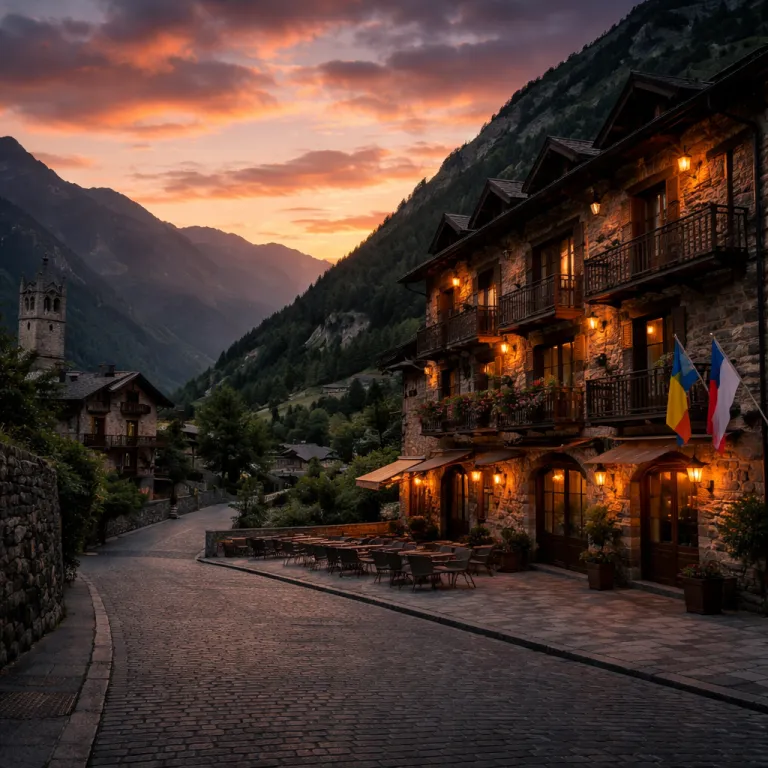
Andorra heritage culture as the frame for luxury hospitality
Andorra’s heritage culture is not a museum piece; it is the operating system behind every polished check-in and every late-night room service tray. In this mountain country, the shared rule of the President of France and the Bishop of Urgell quietly shapes how an Andorran concierge greets you, which languages they choose first, and how they narrate the principality’s history between restaurant recommendations. When you book a premium stay, you are stepping into a living Andorran culture where political structure, religious tradition, and social habits meet in the hotel lobby.
The official language is Catalan, yet luxury properties in Andorra la Vella and Ordino glide effortlessly between French, Spanish, and English, reflecting the principality’s balance between Spain and France. This French–Spanish duality is not cosmetic; it is rooted in centuries of shared governance that have produced a distinctive Andorran society and a very specific service style. Understanding this cultural heritage will help you choose whether you prefer a property that leans towards Iberian warmth and later rhythms or one that channels French precision and formality.
Andorran culture is also anchored in its Romanesque churches, mountain bordes, and compact museums, all of which sit within easy reach of most five-star addresses. The co-princedom’s continuity has preserved intangible cultural practices, from religious music in village chapels to seasonal cultural events that spill into hotel bars and terraces. When you plan where to stay, think of culture as part of the room category; the right property will connect you to this history as naturally as it offers a pillow menu, whether through curated art, local guides, or partnerships with institutions such as the Museu Nacional de l’Automòbil d’Andorra and the Centre d’Art d’Escaldes-Engordany, both highlighted on official tourism portals.
French formality, Iberian ease : how service rhythms split
Walk into a grand lobby in Andorra la Vella and you may feel you have crossed an invisible line between Spain and France, even though you never left the principality. Some luxury hotels lean into a French reading of Andorra’s heritage culture, with sharply timed breakfast service, white-tablecloth dining, and a concierge who switches to elegant French when discussing opera or classical music. Others embrace a more Iberian interpretation of Andorran culture, where dinner starts later, conversations stretch longer, and Spanish flows naturally when staff talk about tapas or weekend social plans.
This split is not random; it mirrors the dual nature of the co-princes, one from France and one from Spain, and it filters down into how cultural hospitality is expressed. Properties with French-influenced management often foreground wine lists heavy on France, a more formal dress code in the restaurant, and a service choreography that feels almost Parisian, yet still grounded in national traditions. Hotels with stronger ties to Spain tend to celebrate local music in the bar, highlight Romanesque art excursions, and use Spanish as comfortably as Catalan when arranging museum visits or cultural events such as the Andorra la Vella Jazz Escaldes-Engordany festival in summer.
For travelers, reading these cues will help align your stay with your own preferences for pace and protocol. If you enjoy precise timing, multi-course tasting menus, and a concierge who can narrate the principality’s history in polished French, choose a property that explicitly references French heritage in its branding. If you prefer long breakfasts, late check-outs, and staff who chat about Andorran society in relaxed Spanish while recommending nearby Romanesque churches, opt for a hotel whose team feels more Iberian in spirit, such as a boutique retreat in Ordino that organizes tapas-style aperitifs after evening concerts, a pattern often noted by local hoteliers in interviews with Andorran media.
Language at the front desk : what the co-princedom means for you
At the reception desk, Andorra’s heritage culture becomes immediately audible. Catalan is the official language, yet in most luxury properties the first greeting may arrive in French, Spanish, or English, depending on how you look, sound, or which passport you hand over. This multilingual reflex is a direct product of the principality’s co-princedom, where ties to Spain and France are not abstract diplomacy but daily practice in Andorran society and its hotels.
In high-end properties, concierges are usually fluent in at least three languages, and this linguistic range will help you access the deeper layers of local culture. Ask about cultural heritage in Catalan and you may hear stories about village Romanesque churches and the role of the Bishop of Urgell in local traditions; switch to French and the conversation might pivot to cross-border gastronomy and the influence of France on administrative life. Use Spanish and you are likely to receive tips on social nightlife, regional music, and how to time your museum visits around cultural events, including exhibitions at the Centre d’Art d’Escaldes-Engordany.
This language flexibility is not only convenient, it is a lens on Andorran culture itself, where French and Spanish coexist without friction. When booking, look for hotels that highlight bilingual or trilingual staff, especially if you plan to explore museums, attend concerts, or visit sites like Casa de la Vall and Santa Coloma with context rather than just photographs. Choosing a property that takes language seriously turns the concierge desk into your first and most reliable museum of living culture, and official tourism portals such as VisitAndorra’s site and government cultural guides can help you identify properties with this profile.
Ordino versus Andorra la Vella : choosing your cultural base
Where you sleep in Andorra quietly decides which facet of its heritage culture you experience most intensely. Andorra la Vella, the capital, offers a dense mix of shopping streets, government buildings, and cultural venues, with luxury hotels that plug you into the commercial energy of the country. Ordino, by contrast, feels like a curated village museum of Andorran culture, where stone houses, mountain silence, and nearby Romanesque churches set a slower, more reflective rhythm.
In Andorra la Vella, high-end properties often sit within walking distance of at least one museum, whether it is focused on local history, contemporary art, or the political story of the principality. Here, museums act as extensions of the lobby; you can step out from a spa treatment straight into an exhibition on Romanesque art or a temporary show on music and intangible cultural practices. This urban setting suits business-leisure travelers who want efficient access to Casa de la Vall, official receptions, and the social life of the capital between meetings.
Ordino’s luxury hotels, on the other hand, lean into cultural heritage through landscape and architecture rather than institutional museum visits. Many properties here frame views of valleys where Andorran society once lived almost entirely from pastoral traditions, and staff are quick to suggest walks to nearby chapels or drives to Santa Coloma for a deeper sense of local culture. If your ideal stay blends boardroom calls with quiet evenings, mountain air, and stories about the principality told beside a fireplace, Ordino is the cultural counterpoint to Andorra la Vella you should seriously consider, especially during autumn when village festivals and harvest traditions animate the parish and feature prominently in official cultural calendars.
From romanesque stones to hotel suites : heritage in daily details
The most rewarding way to engage with Andorra’s heritage culture is to treat your hotel as part of a wider itinerary that includes historic landmarks. Many luxury properties now curate routes that link their own design details to nearby Romanesque churches, explaining how stone arches, wooden beams, or textile patterns echo centuries-old motifs. When you visit Santa Coloma or Casa de la Vall by day and return to a suite that references Romanesque art in its lighting or artwork, the line between museum and hotel begins to blur.
Andorran culture is rich in intangible cultural elements, from religious processions to seasonal music and village festivals, and the best hotels quietly weave these into their programming. You might find a lobby concert featuring Catalan songs, a tasting menu built around traditional dishes from Spain and France, or a concierge who suggests timing your stay with specific cultural events that animate Andorra la Vella and Ordino. This is where the co-princedom’s blend of Catholic and secular republican influences becomes tangible, shaping both the calendar and the way staff talk about the country’s history, especially around dates such as the Diada de Meritxell on 8 September, the national day described in official Andorran sources.
For travelers who care about cultural heritage as much as spa menus, choosing a property that collaborates with local museums and guides will help unlock the full depth of Andorran culture. Look for hotels that offer private visits to museums, curated walks through old quarters, or partnerships with historians who can explain how the Bishop of Urgell and the President of France still frame daily life. In such places, your suite is not just a place to sleep; it is a front-row seat to a principality where politics, religion, and hospitality have evolved together for centuries, a point often highlighted in official cultural guides published by the Andorran government and echoed by managers of leading luxury hotels in Andorra la Vella and Ordino.
FAQ
How does Andorra's co-princedom affect tourism?
According to official explanations, “How does Andorra's co-princedom affect tourism? It enhances cultural experiences and attracts visitors.” For luxury travelers, this means a hospitality scene where French and Spanish influences coexist, multilingual staff are the norm, and cultural programming often reflects both religious and secular traditions anchored in the principality.
Who are the co-princes of Andorra and why does it matter for hotels?
The co-princes of Andorra are the Bishop of Urgell from Spain and the President of France, and their shared role has historically tied the country to both Spain and France. In practice, this dual heritage encourages hotels to cultivate French and Spanish language skills, blend service styles, and reference both traditions in dining, design, and cultural partnerships.
Which area is better for culture focused stays, Ordino or Andorra la Vella?
Andorra la Vella is better if you want immediate access to museums, government buildings, and urban cultural events, all within a compact capital. Ordino is preferable if you value heritage architecture, proximity to Romanesque churches, and a quieter atmosphere that reflects older layers of Andorran society and its mountain traditions.
What languages can I expect staff to speak in luxury hotels?
In most high-end properties, staff will speak Catalan as the official language, alongside fluent Spanish and French, and usually English as well. This multilingual environment reflects the principality’s co-princedom and ensures that concierges can explain history, arrange museum visits, and handle practical requests in the language you find most comfortable.
How can I use my hotel stay to engage with Andorra's cultural heritage?
Choose hotels that highlight partnerships with museums, guided visits to sites like Casa de la Vall or Santa Coloma, and programming around music or seasonal festivals. By asking the concierge for heritage-focused itineraries and attending on-site cultural events, you turn your stay into an immersive introduction to Andorran culture rather than just a comfortable base.