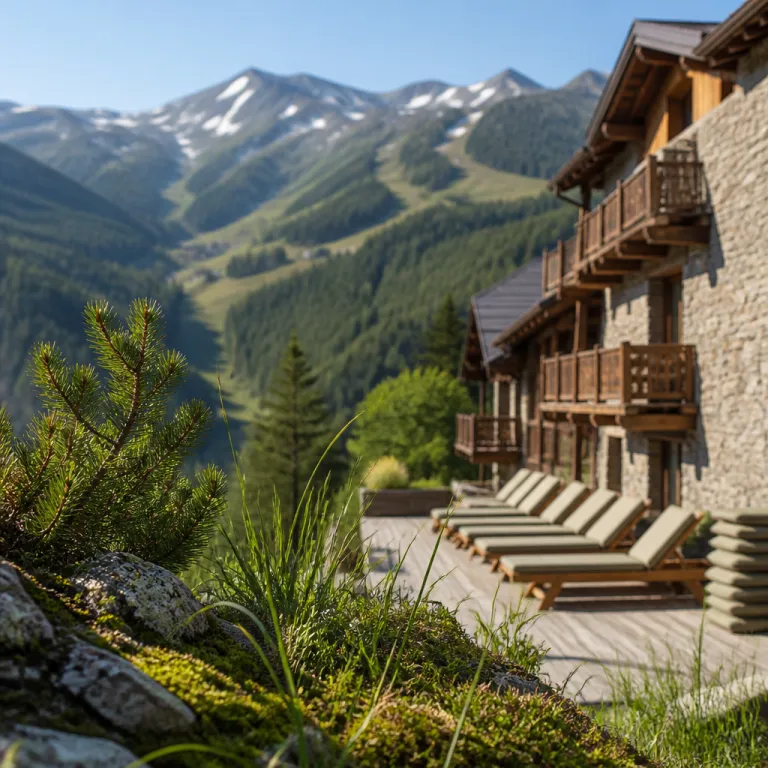
Winter results in Andorra’s ski resorts and what they signal
Andorra’s hotel performance this winter was quietly impressive, with the Uniò Hotelera d'Andorra (UHA) confirming an average occupancy of 66.72 percent across its member properties.1 That headline figure places the season as the third strongest since records began, even though it sits a fraction of a few percentage points below the previous year’s 66.96 percent and comes after a complex post‑pandemic recovery in the travel sector. For luxury guests eyeing Andorra ski resorts, this level of occupancy suggests that high demand patterns are now structurally embedded rather than a one‑off spike.
Monthly data from the UHA shows a clear profile of demand, with December starting at an occupancy rate of 62.85 percent before January climbed to 80.52 percent and February peaked at 85.27 percent, calculated as rooms sold divided by rooms available across the sample.1 To make those winter hotel results easier to scan, the UHA summary highlights: 62.85% in December, 80.52% in January and 85.27% in February, which underlines how resilient the winter hotel market has become in the core ski months. For guests, that translates into fuller slopes, busier restaurants and a hotel industry that can justify investing in higher service levels and better amenities across Andorra.
On the mountains, Grandvalira reported 2.38 million skier days, an increase of 2.7 percent that aligns closely with the strong lodging numbers in the surrounding markets.2 Pal Arinsal delivered its best season in more than two decades, reinforcing Andorra’s position as a regional leader hospitality destination for snow‑focused travel and supporting higher average daily rates in well‑located hotel properties. When you combine this real demand with a tightening accommodation market, the outlook for next winter’s occupancy in Andorra looks robust, especially for premium rooms with ski‑in access and spa‑focused amenities Andorra visitors now expect.
Capacity squeeze, staffing gaps and pricing power in Andorra la Vella
Behind the headline occupancy data sits a quieter structural shift that matters for anyone planning a stay in Andorra la Vella or the surrounding valleys. New regulations have restricted short‑term rental licences, which means fewer unofficial lodging options and a gradual contraction in the number of rooms even as travel demand holds firm or rises in key markets. For luxury and entry‑level premium guests, this tightening supply is already feeding into higher average daily rates and more assertive dynamic pricing strategies from management companies that operate the best‑located hotel properties.
In the capital, the Andorra la Vella corridor and the historic core of the old town now show a distinct pattern when you look at hotel performance by segment. A central hotel with a strong spa, parking and curated amenities Andorra guests value can now push daily rates higher without losing occupancy, because the real estate pipeline for new rooms is constrained and the market knows it. For a business‑leisure traveler extending meetings in Andorra la Vella into a ski weekend, that means the current occupancy pattern will likely translate into earlier booking windows and less last‑minute availability in top profile properties.
The UHA has also flagged staffing as a structural challenge, with many hotel teams operating with vacancies and relying on existing équipe members to cover extra shifts during peak sporting events and holiday periods. In its latest seasonal note, the association pointed to double‑digit vacancy rates in some operational roles, which helps explain why hotels in Andorra la Vella and the ski villages can run close to full occupancy with lean staffing and service that sometimes feels stretched at breakfast or during après‑ski peaks, even in high‑end lodging. If you are planning to exploit the unique May window between skiing and hiking, the period covered in our guide to the five day shoulder season in Andorra, you will often find a sweeter balance between occupancy rate, attentive service and a more flexible pricing strategy.
What winter’s numbers mean for the coming summer in Andorra
For hoteliers and guests alike, the key question is how this winter’s hotel performance will shape the summer market in Andorra’s valleys and high‑altitude resorts. Strong RevPAR, or revenue per available room, during the ski season gives management companies confidence to hold firm on pricing strategy for July and August, especially in properties that blend mountain access with wellness‑focused amenities Andorra visitors seek after long trail days. Based on current booking pace and historical conversion, many operators are informally targeting summer occupancy in the 55–65 percent range, with RevPAR expected to land 3–5 percent above the previous year on a like‑for‑like basis. Expect the Andorra hotel occupancy 2026 trend to show a flatter curve between seasons, with fewer deep dips in the so‑called low months.
In practice, that means a luxury hotel in Andorra la Vella can now rely on a more balanced annual revenue profile, with corporate and sporting events in spring and autumn filling gaps that once dragged down average performance. The travel sector here is maturing into a compact but sophisticated market, where a clear understanding of guest types allows hotels to tailor entry‑level rooms, suites and family units with different daily rate bands and targeted dynamic pricing. For guests comparing options, our guide to the Andorra summer hotel season and the properties worth booking before June is a useful complement to these occupancy figures, especially if you want to secure rooms before percentage points of extra demand close out the best choices.
Looking ahead, Andorra will not become a global leader in volume, but it is quietly positioning itself as a high‑yield niche within the wider European hotel industry. The combination of constrained real estate supply, disciplined management companies and a clear focus on RevPAR rather than raw occupancy gives the market a resilient profile, even as other Alpine destinations chase scale. When you read Andorra hotel reviews critically, using tools such as our guide on what star ratings do not capture in Andorra, you can match this macro data with real guest experience and choose the hotel, location and daily rates that best fit your own travel profile.
1 Uniò Hotelera d'Andorra (UHA) seasonal occupancy data, winter 2025–2026, based on member hotel sample. ↩ ↩
2 Grandvalira Resorts skier‑day statistics, winter 2025–2026, consolidated across the ski domains. ↩