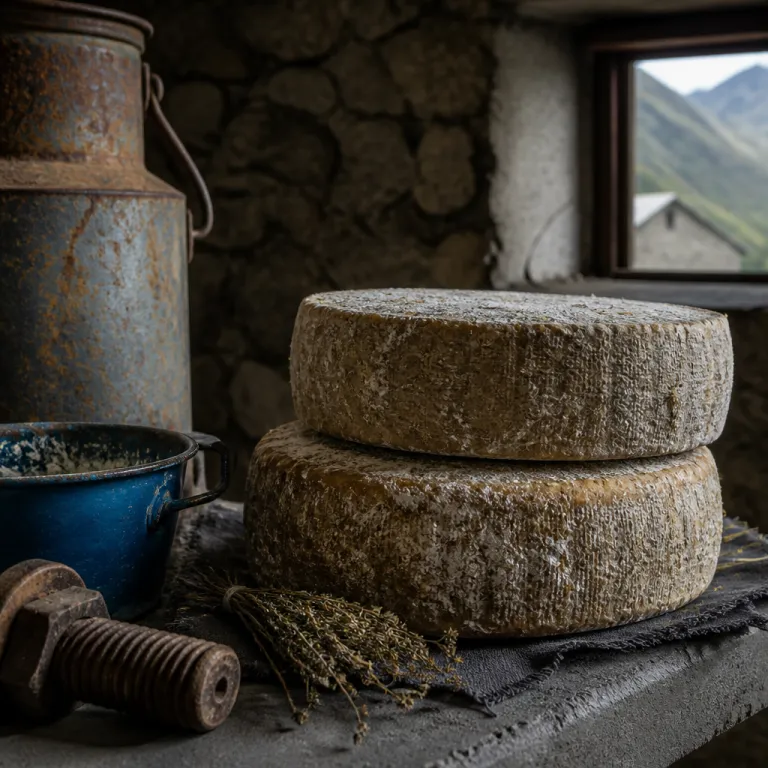
Why Andorra’s high valleys matter for serious cheese lovers
Andorra artisan cheese producers work in a narrow band of altitude where pasture, climate and patience quietly reshape every wheel of cheese. Up here, the air is thinner, the light is sharper and the milk from cows, sheep and the occasional goat carries a concentration of herbs that lowland farms in Spain or France simply cannot match. For travelers used to polished hotel lobbies, stepping into this rural world of artisanal cheese and mountain food is a way to feel the country under your feet, not just under your skis.
Casa Raubert and El Batall sit at the heart of this high valley story, two Andorran farmhouse cheesemakers whose cheeses are now fixtures on serious restaurant boards across the principality. Casa Raubert works with both cow’s milk and sheep’s milk, while El Batall focuses on organic cow’s milk cheeses and fresh mató, and both artisan businesses keep production intentionally small so they can control every stage from raw materials to ageing. When you taste their artisanal cheese beside a standard supermarket cheese, the difference in texture, aroma and length of flavour is immediate and quietly persuasive.
Altitude slows time, and that slower rhythm shapes how you should plan your trip if cheese is on the agenda. A thoughtful itinerary might pair a late morning visit to a cheese factory with an afternoon in a spa hotel, or a tasting in a cheese shop with a long lunch in a restored borda farmhouse restaurant. When you are planning a trip through these valleys, think of cheese not as a quick stop but as a thread running through your travel route, connecting hotel, table and farm into one coherent experience.
From luxury lobby to farmhouse gate: building a cheese focused itinerary
Most luxury hotels in Andorra now understand that guests want more than a polished room ; they want an experience that feels rooted in place, and cheese is an elegant way to anchor that. When you start planning your trip, ask your concierge to help you plan a trip that links your preferred spa or ski base with one or two Andorra artisan cheese producers in nearby valleys. A well designed itinerary keeps driving time short, focuses on small groups or private visits, and leaves space for slow tasting rather than rushed box ticking.
Think of your day as a gentle route that moves from hotel breakfast to rural encounter and back to comfort. You might travel from a five star property in Andorra la Vella up to a quesería in a side valley, where families and small teams still work with raw milk and goat milk in modest cheese factories that smell of warm whey and wood. Years ago, these visits would have been informal and unstructured ; now, some producers offer more organised tours cheese experiences, especially for guests arriving from Spain or France who are used to visiting vineyards and food producers.
Because this is a mountain country, distances are short but gradients are steep, so planning matters. Build in time to visit a food market in town either before or after your rural stop, where you can compare cheeses from Casa Raubert, El Batall and other artisan cheeses from the wider Pyrenees. If you are arranging travel for families or small groups, consider alternating a morning of tasting cheese with an afternoon of light hiking, so the richness of the products is balanced by movement and fresh air.
What makes Andorra’s farmhouse cheeses distinct
High valley cheeses are shaped by three quiet forces : pasture, altitude and scale. Cows and sheep graze on steep slopes threaded with wild thyme, alpine flowers and tough grasses, and that diversity of plants flows directly into the milk that Andorra artisan cheese producers collect each morning. Because most producers remain small, they can work with raw milk when conditions allow, creating artisanal cheese with a depth and complexity that industrial cheeses rarely approach.
Casa Raubert’s cow’s milk wheels tend to be supple and aromatic, while their sheep’s milk cheeses show more intensity and a faint nuttiness that lingers on the palate. El Batall’s organic cow’s milk cheeses and fresh mató lean toward a cleaner, lactic profile, ideal for tasting sessions where you want to understand how different raw materials behave at altitude. None of these producers are chasing mass markets ; they are building an artisan business that respects the land, the animals and the slow work of ageing, and that restraint is exactly what luxury travelers are seeking.
Goat cheese is less common in Andorra than in some parts of Spain, yet you will occasionally encounter a small batch goat cheese made from fresh goat milk in a cheese shop or on a restaurant board. International names such as Airas Moniz, known for award winning Galician cheeses, sometimes appear alongside local wheels, offering a useful benchmark when you are tasting cheese from different regions. When you compare these artisan cheeses side by side, you start to understand how altitude, humidity and even the design of a cheese factory or ageing room can subtly alter the final food on your plate.
On the plate and in the glass: how hotels showcase local producers
The most interesting luxury properties in Andorra now treat cheese as a narrative, not just a garnish on a dessert trolley. In refined hotel dining rooms and in traditional bordes, chefs build menus that highlight Andorra artisan cheese producers alongside PGI protected Andorran beef, cured meats from Els Escaubells or Cal Jordi, mountain honey and wines from Borda Sabaté 1944, Casa Auvinyà or Mas Berenguer. This is where a carefully planned itinerary pays off, because you can taste the same cheeses you saw in a rural cheese factory, now framed by thoughtful pairings and polished service.
Look for tasting menus that include a wide range of cheeses, from young lactic styles to firmer, longer aged wheels, sometimes paired with local honey or seasonal fruit. Some hotel restaurants offer informal tours cheese experiences in their own cellars, where sommeliers and fromagers explain how they select products from Casa Raubert, El Batall and other artisan cheeses from neighbouring regions of Spain and France. If you want to go deeper into Andorran gastronomy, read our guide to Andorra’s luxury hotel gastronomy, which maps how top properties work with local producers across the country.
Duty free status adds a subtle twist to this story, especially when you are thinking about what to bring home. While you should always respect customs limits when you travel back to your home country, buying cheese and other food products in Andorra can feel surprisingly accessible compared with some Alpine destinations. A well stocked food market or cheese shop will often carry a wide range of local and regional cheeses, allowing you to curate your own board for a final night in your suite or for a picnic on the route back toward Spain or France.
Season, shopping and practical notes for cheese focused travelers
Autumn is the quiet high point for Andorra artisan cheese producers, when pastures have done their work and cellars are full of wheels approaching maturity. This is when a visit to a rural quesería or cheese factory feels most rewarding, because you can sense the year’s cycle in the air and on the shelves. That said, a well planned trip at any time of year can include meaningful encounters with artisan cheeses, whether through farm visits, hotel tastings or time spent in a serious cheese shop.
When you are planning a trip with cheese in mind, start by speaking with your hotel about logistics and expectations. Some producers welcome visitors only by prior arrangement, and many prefer small groups so they can keep working while still sharing their craft, which means you should plan a trip that respects their rhythm rather than imposing a rigid tourist schedule. Think of yourself as a guest in a working space, not a customer in a showroom, and the experience will feel richer and more authentic.
Shopping is the final pleasure. In town, look for food market stalls that specialise in Andorran and Pyrenean products, where you can ask for guidance on which cheeses travel best and how to pack them safely for your return to Spain, France or further afield. A few years ago, very few travelers came to Andorra with cheese on their mind ; now, many repeat guests quietly build their route around favourite producers, treating each visit as a chance to deepen their understanding of this small but serious mountain food culture.
FAQ
How can I include Andorran cheesemakers in a short luxury stay ?
For a two or three night stay, ask your hotel to help you design an itinerary that combines one rural visit to a cheesemaker such as Casa Raubert or El Batall with a cheese focused dinner in the hotel restaurant or a nearby borda. Keep driving times under one hour each way so the experience feels relaxed rather than rushed. Many concierges are used to planning trip details around gastronomy, so be explicit that cheese and local food are priorities.
Do Andorran cheesemakers accept unannounced visitors ?
Most Andorra artisan cheese producers operate as working farms or small production facilities, not as full time visitor centres. You should not simply turn up without notice, especially if you are traveling in small groups or with families and small children. Instead, ask your hotel or a local guide to contact the producer in advance and confirm whether a visit or tasting cheese session is possible during your trip.
Can I bring Andorran cheese home on an international flight ?
In many cases you can bring hard or semi hard cheeses home, but you must always check the food import rules for your destination country before you travel. When you buy at a cheese shop or food market, ask staff to vacuum seal the products and label them clearly with the type of cheese and whether it is made from pasteurised or raw milk. Keep your purchases in your checked luggage if cabin regulations on food are strict, and respect any limits on animal products when returning from Spain, Andorra or France.
Is there a dedicated Andorran cheese route I can follow by car ?
There is no single signposted cheese route in Andorra, but it is easy to build your own using a rental car and a good map. Combine visits to Casa Raubert and El Batall with stops at wine producers such as Borda Sabaté 1944 or Casa Auvinyà, and allow time for lunch in a rural restaurant that highlights local products. This kind of self guided route works especially well for independent travelers who value flexibility and want to balance food experiences with spa time or light hiking.
How does Andorran cheese compare with better known Spanish or French cheeses ?
Andorran cheeses are produced on a much smaller scale than most famous Spanish or French names, which means you are tasting the work of very focused artisan businesses rather than large cooperatives. The style often sits somewhere between Pyrenean mountain cheeses from Spain and France, with a clear influence from altitude, pasture and small batch ageing. For many travelers, that combination of rarity, sense of place and careful craftsmanship is exactly what makes Andorra’s high valley cheeses worth planning a trip around.