The people of Andorra and their role in luxury hospitality
The people of Andorra and their role in luxury hospitality
The people of Andorra give every luxury stay a distinct human warmth. In this small mountain country between France and Spain, refined hotels rely on local families, artisans, and hoteliers who know every valley and pass. Their Andorran identity is inseparable from the principality’s most exclusive guest experiences and from the wider tradition of Andorran hospitality in the Pyrenees, often described by visitors as a blend of mountain pragmatism and discreet elegance.
Because Andorra is a parliamentary democracy with a long trading tradition, hospitality has grown around openness and cross border relations. The state has encouraged high quality tourism services while the government maintains a careful balance between development and environmental protection. This balance allows luxury properties in Andorra la Vella and Sant Julià de Lòria to offer comfort without losing the authenticity that the people of Andorra value, from locally sourced stone facades to mountain guides who grew up in nearby parishes.
The principality’s unique political structure, with two co princes representing France and the bishop of Urgell in Spain, also shapes its cultural mix. Within this framework, the general council and the head of government support tourism infrastructure, from ski resorts to cultural venues, giving guests a stable, law based context for every premium hotel stay and for long term investment in Pyrenees luxury hotels. As one veteran hotel manager in Andorra la Vella likes to tell guests, “Our institutions are small enough to listen, but solid enough to give investors and travelers confidence.”
Local artisans, mountain heritage, and refined hotel experiences
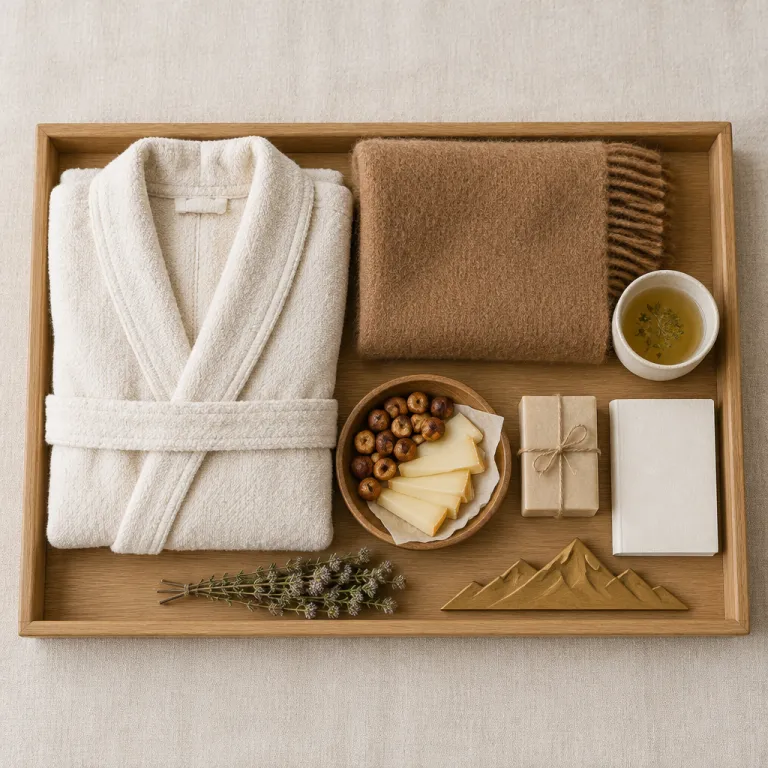
Artisans from the high valleys are central to how the people of Andorra welcome guests. Woodworkers from around Seu d’Urgell, textile makers from villages near Sant Julià, and cheesemakers from remote farms all contribute to the atmosphere of luxury suites and lounges. Their crafts turn anonymous rooms into spaces that reflect the principality’s history and landscape, creating what many visitors now describe as true Pyrenees artisan hotels rather than generic international properties.
Many premium hotels now curate collaborations with local cheesemakers, charcuterie producers, and ceramic artists from across the country. When you taste a farmhouse cheese from the high valleys, you are tasting a product shaped by centuries of trade between France and Spain and by the careful stewardship of Andorran families. For a deeper look at this world of mountain produce, guests often consult guides such as the cheesemakers of the high valleys, then ask concierges to arrange tastings or farm visits that reveal the human stories behind each product.
In many properties in Andorra la Vella, suites feature textiles woven by artisans who learned techniques from both French and Spanish masters. These creators often speak several languages, including the official language Catalan, Spanish, and French, reflecting the multilingual reality of the people of Andorra. Their work embodies the principality’s position in Europe, where influences from France, Spain, and the wider European Union meet in one high valley, and where Andorra luxury hospitality is expressed as much through touch and texture as through service rituals.
Understanding Andorra’s political and cultural framework as a guest
To appreciate how the people of Andorra shape luxury stays, it helps to understand the principality’s institutions and cultural life in a single picture. Andorra is a sovereign state with a parliamentary democracy, where the general council legislates, the head of government leads the executive branch, and the two co princes linked historically to the count of Foix in France and the bishop of Urgell in Spain symbolize a shared heritage. This structure supports a stable environment for international visitors, encourages high end hotel investment, and explains why Andorran society feels both French and Spanish yet remains distinct, with staff in luxury hotels moving easily between Catalan, Spanish, French, and sometimes Portuguese, mirroring the multilingual fabric of the country.
Andorra is a member of the United Nations and the Council of Europe, and it maintains close relations with the European Union through various agreements. These international ties influence everything from financial services and tax rules to consumer protection law that benefits hotel guests. When you book a premium suite, you are entering a jurisdiction where the government has aligned many standards with wider Europe while preserving the principality’s fiscal autonomy, a combination that underpins the confidence of travelers choosing Andorra luxury hospitality for repeat stays.
How trade, tax, and services shape premium hotel stays
The people of Andorra have long relied on trade, first through mountain passes and now through modern retail and tourism. Duty related advantages and a competitive tax framework have helped the country develop a strong services sector, including luxury hospitality. For travelers, this often translates into high quality hotels and spas that remain relatively competitive compared with similar properties in France or Spain, especially for guests combining shopping with wellness or ski packages.
Because Andorra is not a full member of the European Union but maintains close relations with it, the principality can tailor its tax system while aligning many consumer standards with Europe. The government uses this flexibility to support investments in ski resorts, wellness centers, and premium retail that complement high end hotels. Staff in these properties, many of whom are Andorran or long term residents, are trained to guide guests through shopping rules, customs limits, and cross border services between France and Spain, turning complex regulations into simple, practical advice at the front desk.
In Andorra la Vella, the capital, the general council and municipal authorities have encouraged urban renewal that benefits both residents and visitors. Luxury hotels now sit near pedestrian shopping avenues where international brands mix with local artisans, reflecting the dual nature of the country’s trade. When you walk from your suite to a nearby jeweler or leather workshop, you are experiencing how the people of Andorra have turned historic trading skills into modern hospitality services; at properties such as the long established Hotel Plaza Andorra, managers often highlight these links when curating guest itineraries and recommending locally owned boutiques.
Gastronomy, ski resorts, and the daily life of the people of Andorra
Gastronomy is one of the clearest windows into the lives of the people of Andorra. Menus in luxury hotels often feature mountain lamb, river trout, and cheeses that come from farms linked historically to Seu d’Urgell and other Catalan towns. These dishes show how Andorran cuisine has absorbed influences from both Spanish and French traditions while remaining rooted in the Pyrenees and in contemporary Andorra gastronomy, with chefs increasingly emphasizing seasonal produce and lighter interpretations of classic recipes.
Many guests combine fine dining with days on the slopes, since ski resorts such as Grandvalira and Pal Arinsal are central to the country’s identity. Seasonal workers from Spain, France, Portugal, and beyond join local teams, creating a cosmopolitan atmosphere that still feels anchored in Andorran customs. For a curated view of how top properties integrate local products into tasting menus, travelers often consult resources such as a refined journey through Andorra’s luxury hotel gastronomy pipeline before booking, then ask sommeliers and chefs to explain the origin of each ingredient.
Après ski, hotel lounges become meeting points where the people of Andorra mix with international visitors. Conversations move easily between Catalan, Spanish, French, and sometimes Portuguese or English, reflecting the principality’s diverse workforce. This multilingual social life is part of what makes the people of Andorra so adept at welcoming guests from across Europe and beyond, and it gives Andorra luxury hospitality a relaxed, club like atmosphere that many travelers remember long after they leave.
Language, education, and cultural life behind the hotel front desk
The official language of Andorra is Catalan, and its use gives luxury stays a distinctive cultural tone. Hotel staff greet guests in Catalan but quickly adapt to Spanish, French, or English depending on the visitor’s preference. This linguistic agility reflects the education system and the daily reality of the people of Andorra, where switching languages mid conversation is common in both professional and family settings.
The University of Andorra and local schools help train professionals for tourism, management, and international services. Many graduates move into roles in premium hotels, where they apply knowledge of law, finance, and languages to concierge work and guest relations. Their studies often include modules on European institutions, the United Nations, and the European Union, which helps them assist international travelers with practical questions, from health coverage to cross border transport rules.
Cultural life in the principality extends far beyond the ski season, and hotel concierges act as bridges between visitors and local events. They recommend concerts, exhibitions, and festivals in Andorra la Vella, Sant Julià, and other parishes, often highlighting artists from both France and Spain. Through these recommendations, the people of Andorra invite guests to see the principality not only as a shopping and skiing destination but as a living cultural crossroads in Europe, where Andorra luxury hospitality is intertwined with music, theatre, and contemporary art.
Practical guidance for booking luxury hotels with local character
When you book a luxury hotel in Andorra, paying attention to local partnerships can transform your stay. Look for properties that highlight collaborations with artisans from Seu d’Urgell, Sant Julià, and other nearby communities, since these links show a real commitment to the people of Andorra. Hotels that feature local ceramics, textiles, and mountain produce usually offer a more authentic sense of the principality and stand out among Pyrenees artisan hotels for their sense of place.
It is also wise to consider how each property engages with the wider institutional framework of the country. Establishments that respect environmental law, support cultural initiatives backed by the general council, and maintain transparent tax and services policies tend to deliver more reliable quality. Their managers understand that long term relations with guests depend on trust, not only on design or location, and that Andorra luxury hospitality must balance discretion with clear information about rates, sustainability practices, and guest rights.
Finally, ask concierges about experiences that connect you with the principality’s history and governance. Some hotels can arrange visits that explain the role of the co princes, the bishop of Urgell, and the evolution of Andorra from a feudal territory linked to the count of Foix to a modern parliamentary democracy. By engaging with these stories, you see how the people of Andorra have shaped a unique state in Europe and how that legacy enriches every refined stay, from a weekend ski break to a longer cultural escape.
Key figures about Andorra, tourism, and hospitality
- Andorra receives several million visitors each year, a figure that far exceeds its resident population of around 80 000, which underlines how central tourism is to the people of Andorra and to the country’s services sector (data from Andorran government tourism statistics; see, for example, the “Estadístiques del turisme” series published by the Government of Andorra).
- More than half of all visitors typically arrive from Spain and France, reflecting the principality’s historic relations with both neighbours and the importance of cross border trade and ski tourism (data from Andorra Turisme visitor reports, which regularly break down arrivals by country of origin).
- Andorra offers over 30 000 tourist beds across hotels and other accommodations, with a significant share in four and five star properties that anchor the luxury and premium segment (figures reported by the Andorran general council and tourism authorities in their annual accommodation capacity statistics).
- Ski resorts such as Grandvalira and Pal Arinsal account for a large proportion of winter overnight stays, confirming that snow sports remain a primary driver of high end hotel occupancy in the principality (industry data from resort operators and seasonal occupancy reports compiled by Andorra Turisme).
- Services, including tourism, retail, and finance, represent the vast majority of Andorra’s gross domestic product, showing how the state has shifted from traditional agriculture to a modern economy built around international visitors and trade (economic reports from the Andorran government and international institutions such as the IMF and the World Bank).
FAQ about the people of Andorra and luxury hotel stays
How does the political system of Andorra affect luxury tourism ?
The political system of Andorra, with its parliamentary democracy and two co princes, provides a stable framework that encourages investment in high quality hotels and services. The general council and the head of government work within clear law based structures, which reassures international investors and guests. This stability allows the people of Andorra to focus on refining hospitality rather than coping with institutional uncertainty, and it helps premium properties plan long term upgrades with confidence.
Which languages are most useful for guests in Andorran luxury hotels ?
The official language is Catalan, but staff in luxury hotels usually speak Spanish and French fluently and often English as well. In many properties you will also hear Portuguese and other languages, reflecting the diverse workforce that supports the services sector. Guests who speak any of these major European languages can communicate easily with the people of Andorra during their stay, and even a few words of Catalan are often appreciated.
How do local artisans influence the design of premium hotels in Andorra ?
Local artisans provide furniture, textiles, ceramics, and artworks that give hotels a strong sense of place. Many properties commission pieces from workshops in Andorra la Vella, Sant Julià, and nearby Seu d’Urgell, integrating Pyrenean motifs and materials. This collaboration supports the livelihoods of the people of Andorra while offering guests interiors that feel rooted in the principality rather than generic, reinforcing the appeal of Andorra luxury hospitality for travelers seeking authenticity.
Are Andorran luxury hotels open only during the ski season ?
While ski resorts drive high occupancy in winter, many luxury hotels operate year round. In warmer months they focus on hiking, wellness, gastronomy, and shopping, attracting visitors from Spain, France, and the wider European Union. This seasonal balance helps the people of Andorra maintain stable employment in the services sector beyond the snow season and encourages hotels to develop varied experiences for repeat guests.
What should travelers know about tax and shopping when staying in Andorra ?
Andorra applies a relatively low general indirect tax compared with many European Union countries, which makes shopping attractive. However, customs limits apply when returning to France or Spain, so guests should check current allowances for goods such as alcohol, tobacco, and luxury items. Hotel staff are usually well informed and can explain how the country’s tax and trade rules affect individual purchases, helping visitors enjoy the advantages of Andorra’s retail sector without complications at the border.
