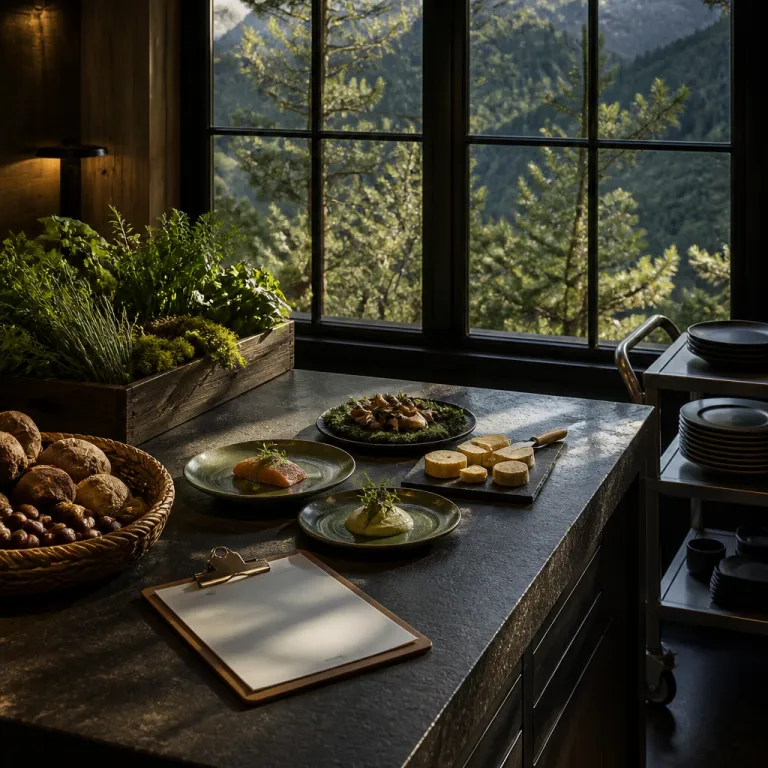
How Andorra’s luxury hotel gastronomy shapes a refined travel pipeline
Andorra’s luxury hotels form a subtle pipeline that channels guests from mountain adventures to refined dining experiences. This evolving flow of services typically starts with a seamless booking journey, then moves into curated stays where renowned chefs anchor the hotel’s identity. In Andorra, the same integrated hospitality pipeline often links spa rituals, ski days, and tasting menus into one coherent narrative that runs from check-in to late-night room service.
Travelers choosing a premium hotel in Andorra usually expect more than a comfortable room; they look for a gastronomic signature that reflects the Pyrenees, local producers, and contemporary culinary techniques. Within this continuum of expectations, properties in Andorra la Vella, Escaldes-Engordany, and Soldeu compete by highlighting chefs who can translate altitude, seasonality, and wellness into memorable plates. At Sport Hotel Hermitage & Spa in Soldeu, for instance, the restaurant Ibaya by chef Francis Paniego (two Michelin stars in Ezcaray and one star in Andorra, Michelin Guide 2024) positions the kitchen as a defining feature of the stay.
Guests planning a stay at a five-star property often compare tasting menus, wine cellars, and chef profiles before confirming their reservation. This is especially true in Andorra, where the compact territory makes it easy to choose between several luxury hotels within a few kilometres, each promoting its own curated sequence of culinary experiences. For many visitors, the promise of dinner prepared by a renowned chef becomes the decisive factor that turns a tentative search into a confirmed booking; one Barcelona-based couple, for example, might choose a hotel purely because they recognise Paniego’s name from his work at El Portal de Echaurren or because they have read about Michelin-listed dining rooms such as Kökosnøt at Park Piolets MountainHotel & Spa in Soldeu.
Renowned chefs as the new benchmark for Andorra’s premium hotels
In Andorra’s high-end hospitality scene, renowned chefs now serve as a primary benchmark for quality. A luxury hotel that collaborates with a chef known in Barcelona, Toulouse, or Madrid instantly signals that its service pipeline is aligned with major European gastronomic capitals. This connection reassures guests that the culinary standard will match the level of the suites, spas, and concierge services, much as a Michelin star or Bib Gourmand listing reassures diners about technique and consistency.
Many premium hotels in Andorra structure their entire guest journey around the chef’s cuisine, from breakfast concepts to late-night room service. At Sport Hotel Hermitage & Spa, for example, tasting menus at Ibaya are complemented by more informal options in the same complex, ensuring that the chef’s philosophy filters through the resort. When a property designs its series of touchpoints in partnership with a chef, every detail can echo the same culinary vision, whether through local charcuterie at check-in or signature pastries at departure. For travelers, this coherence creates a sense of narrative, where each meal becomes a chapter in the story of their stay; as one frequent visitor remarked, “I remember the sequence of dishes as clearly as the ski runs.”
Renowned chefs also help hotels negotiate better relationships with local producers, which is crucial in a mountain environment with limited agricultural land. By integrating these producers into a carefully managed procurement chain, hotels can guarantee fresher ingredients and more authentic flavours on the plate. Guests benefit directly, tasting Andorran cheeses, Pyrenean lamb, and seasonal vegetables that would be difficult to access without the hotel’s culinary network and the chef’s personal connections; Paniego, for instance, is known for working closely with small-scale suppliers and adapting his menus to what they can deliver throughout the year.
Designing a booking strategy around chef led experiences
For travelers, the most effective way to use Andorra’s luxury hotel landscape is to plan around chef-led experiences rather than only room categories. Start by identifying which properties highlight a clear programme of gastronomic offerings, such as tasting menus, chef’s tables, or themed weekends. In Soldeu, winter calendars at Sport Hotel Hermitage & Spa often feature special Ibaya dinners, while hotels in Andorra la Vella may schedule wine-pairing events or truffle-focused menus between December and March.
When comparing booking engines and hotel websites, pay attention to how prominently the chef appears in the presentation. A hotel that dedicates detailed space to its culinary team usually has a more mature approach to gastronomy, from breakfast buffets to bar snacks and in-room dining. This visibility often indicates that the chef is involved in menu design across all outlets, not just the flagship restaurant, and that the property treats cuisine as a core part of the guest journey rather than an add-on. Look for sample menus, seasonal updates, and references to recognitions such as the Michelin Guide or national gastronomic awards.
It is also wise to contact the hotel directly once you have narrowed your options, particularly if you are planning a special occasion. Direct communication allows you to test how flexible the service framework really is, whether the team can arrange a personalised menu, accommodate dietary needs, or organise a kitchen visit. These small details reveal how deeply the chef’s philosophy is integrated into the hotel’s overall guest experience and how seriously the property treats culinary requests; some guests even coordinate birthday tasting menus or après-ski tapas sessions timed precisely with their arrival from the slopes.
From market to mountain table : how sourcing shapes the guest experience
Andorra’s geography imposes specific constraints on sourcing, which in turn influence the cuisine offered in luxury hotels. Renowned chefs working here must design a supply chain that balances local ingredients from the Pyrenees with carefully selected imports from neighbouring Spain and France. This dual approach allows them to respect seasonality while maintaining the consistency expected in a premium property, especially during the busiest ski weeks when occupancy and restaurant demand peak.
Many chefs collaborate with small producers in nearby Catalonia or Occitanie, integrating their products into the hotel’s menus in a transparent way. Paniego, for example, is known for championing regional meats and vegetables and adapting his Andorran menus to what can be sourced from trusted farms and cheesemakers. When a hotel explains this sourcing strategy to guests, it builds trust and reinforces the sense of place, especially for travelers interested in sustainable tourism. Clear communication about origin, transport distances, and production methods helps guests understand why certain dishes appear only at specific times of the year and why some ingredients are highlighted more than others.
For visitors, this sourcing strategy translates into menus that change with the seasons and sometimes even with the weather. A winter stay might highlight slow-cooked meats, mountain cheeses, and hearty stews, while summer brings lighter preparations with fresh vegetables and river fish, all flowing through the same thread of culinary creativity. Paying attention to these shifts can help you choose the ideal travel period for the style of cuisine you prefer and the kind of dining rhythm that suits your stay, whether you favour long tasting menus after skiing or shorter, earlier dinners during hiking season.
Wellness, altitude, and tasting menus in Andorra’s luxury hotels
Altitude and wellness trends strongly influence how renowned chefs design menus in Andorra’s premium hotels. Many properties integrate their spa philosophy into a broader concept of wellbeing, where nutrition, relaxation, and physical activity support each other. In practice, this can mean lighter tasting menus, carefully calibrated portion sizes, and a focus on digestion-friendly techniques such as steaming or slow roasting, often paired with herbal infusions or low-alcohol drink pairings.
Guests who spend the day skiing at Grandvalira or Vallnord often appreciate menus that balance indulgence with recovery. Chefs respond by creating a progression of options that range from energy-rich breakfasts to restorative broths and herbal infusions in the evening. At wellness-oriented properties in Escaldes-Engordany, for example, spa teams may recommend specific dishes or post-treatment snacks that complement hydrotherapy circuits. This approach allows travelers to enjoy refined cuisine without feeling weighed down before another day on the slopes or trails, and it aligns with broader trends in performance-focused travel.
When evaluating hotels, look for signs that the culinary team collaborates closely with spa and fitness staff. A property that aligns its wellness services with its restaurant offerings is more likely to provide coherent advice on hydration, timing of meals, and post-treatment snacks. For health-conscious travelers, this integration can be as valuable as the size of the spa or the number of treatment rooms, especially during longer stays when routine and recovery matter and when guests may alternate between tasting menus and lighter à la carte options.
Practical tips for choosing your Andorran hotel by its chef
Choosing a luxury hotel in Andorra through the lens of its chef requires a structured approach. Begin by listing properties whose communication clearly outlines a programme of gastronomic experiences, including sample menus and information about culinary awards. Note whether the hotel restaurant appears in the Michelin Guide, national rankings, or local food media, and whether the chef has a track record in other respected establishments in Spain or France.
Once you have a shortlist, examine guest reviews that specifically mention the restaurant, breakfast, and bar snacks. Consistent praise for flavour, presentation, and service usually indicates that the culinary operations are stable and well managed. Pay attention to comments about how the hotel handles special requests, as this reflects the flexibility and attentiveness of both the kitchen and front-of-house teams and reveals how responsive the property is to individual needs. Reviews that mention memorable tasting menus, wine pairings, or chef interactions are particularly useful when comparing options.
Finally, consider how the chef’s style matches your own preferences, whether you favour classic French techniques, Mediterranean influences, or more experimental approaches. A hotel that communicates its culinary identity clearly will help you avoid mismatched expectations and ensure that each meal feels aligned with your tastes. In Andorra’s compact but competitive luxury market, this alignment can transform a pleasant stay into a truly memorable journey that you are likely to recommend to others, especially if you combine a Michelin-starred dinner with spa access and ski passes in a single, well-planned itinerary.
Key figures on luxury hotel gastronomy in Andorra
- Andorra hosts several Michelin-listed restaurants, with Ibaya at Sport Hotel Hermitage & Spa in Soldeu holding one Michelin star in the 2024 guide and other venues appearing as recommended addresses, indicating a high concentration of fine dining relative to population size, according to the Michelin Guide’s most recent regional listings.
- Hotels in Andorra’s main ski areas, such as Grandvalira and Vallnord, can see occupancy rates exceeding 80 percent during peak winter weeks, which significantly increases demand for in-house gastronomic experiences, based on figures regularly cited by the national tourism board Andorra Turisme and local hotel association reports.
- Average stay length in Andorra often ranges between 2 and 4 nights for international visitors, meaning that tasting menus and half-board options must deliver strong value within a short window of guest contact, as reported by local tourism statistics and hotel association surveys that track seasonal booking patterns.
- Wellness and spa-focused hotels in mountain regions across Europe, including Andorra, have reported growing interest in nutrition-conscious menus, with some surveys indicating that more than 40 percent of guests consider healthy dining options a key booking factor when choosing a property, a trend echoed in Andorra Turisme’s thematic reports on wellness travel.
FAQ about renowned chefs and luxury hotel booking in Andorra
How important is the chef when choosing a luxury hotel in Andorra ?
The chef’s reputation can be as important as room quality or spa facilities when selecting a luxury hotel in Andorra. A strong culinary team usually signals a mature approach to guest services, from breakfast to late-night dining. For many travelers, the promise of a memorable dinner justifies choosing one property over another nearby, especially when several hotels share similar locations and amenities and when one of them offers a Michelin-starred or guide-recommended restaurant.
Can I book tasting menus in advance with Andorran hotels ?
Most premium hotels allow guests to reserve tasting menus or special experiences when booking their stay. Doing so helps the property organise its kitchen operations, staffing, and ingredient sourcing. Advance reservations are especially recommended during ski season and major holidays, when demand is highest and seating in signature restaurants can be limited; some hotels even require prepayment or a credit-card guarantee for their most elaborate gastronomic experiences.
Are Andorra’s hotel restaurants suitable for dietary restrictions ?
Renowned chefs in Andorra’s luxury hotels are generally accustomed to accommodating dietary needs, including vegetarian, vegan, and gluten-free requests. Informing the hotel before arrival allows the team to adapt its menu planning and procurement. This preparation ensures that alternative dishes maintain the same level of refinement as the standard offerings and that guests with restrictions feel fully included in the dining experience, whether they choose a full tasting menu or a shorter à la carte selection.
Do non hotel guests have access to these renowned chef restaurants ?
Many hotel restaurants in Andorra welcome external guests, especially during off-peak periods. However, staying on site often provides priority access and better integration into the overall service sequence, such as room-service versions of signature dishes. If you are not staying at the hotel, reserving well in advance is advisable, particularly on weekends and during school holidays, when local residents and day-trippers from Catalonia or southern France also compete for tables.
Is it worth paying more for a hotel with a famous chef ?
For travelers who value gastronomy, paying a premium for a hotel with a renowned chef can significantly enhance the overall experience. The added cost usually reflects a more sophisticated approach to sourcing, preparation, and service. When combined with Andorra’s mountain setting, this culinary focus can turn a standard trip into a highlight of your travel calendar and create memories that extend well beyond the ski season, especially if you plan your stay around a specific tasting menu or seasonal event.