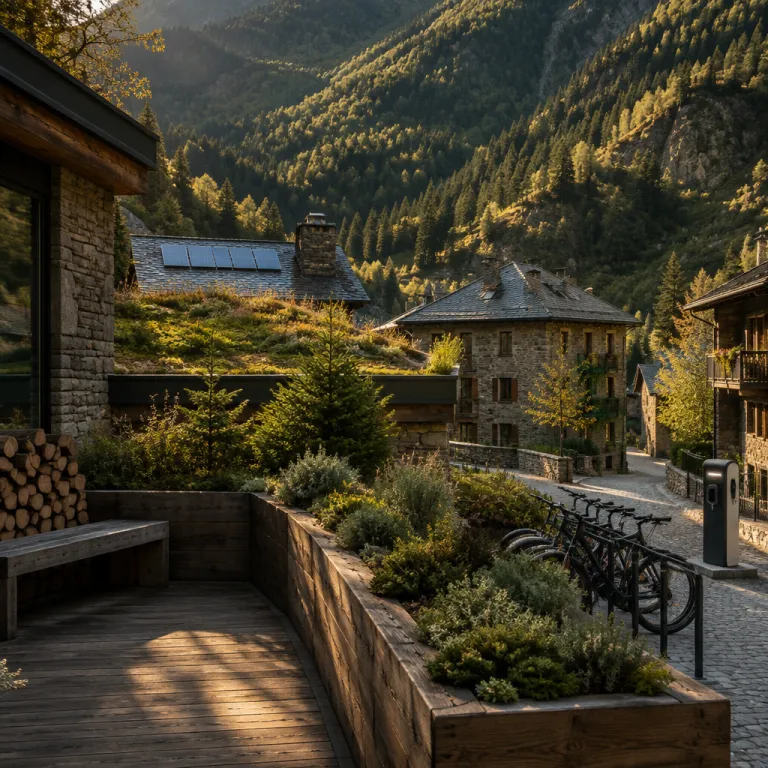
World Tourism Day and the new metrics of luxury in Andorra
World Tourism Day lands differently in Andorra, a landlocked micro-state with finite valleys and finite rooms. In this mountain country, andorra sustainable tourism now means measuring success not by raw tourism volume, but by how carefully nights, spend and experiences are spread across the calendar and across each valley natural corridor. For luxury travelers using a premium hotel booking website, that shift translates into quieter slopes, more attentive service and a stronger sense that your stay is part of a long term sustainable development story rather than a quick economic win.
The Unió Hotelera d’Andorra has been explicit that de-seasonalisation is the central challenge for the andorran hotel sector, even after a strong July where occupancy just passed 70 percent, and that clarity matters for anyone choosing a five star ski base or spa retreat. July occupancy of 70.13 percent, reported after a soft May and June, underlines how uneven the tourism andorra calendar still is and why the andorran government now looks beyond headline tourism numbers toward more balanced economic development. For guests, that means targeted offers in shoulder months, curated outdoor activities beyond skiing and a more thoughtful framework where each investment in new rooms or wellness facilities must respect both natural heritage and the legal law protections around fragile high mountain landscapes.
In the principality Andorra, the andorran government and the private business community increasingly talk about sustainable tourism as a shared investment rather than a marketing slogan. The financial sector and tourism sector sit at the same table, because andorra financial planning now has to account for climate change risks to snow reliability, water resources and the long term value of protected valleys. For international investors and local hoteliers alike, investment Andorra in high end hospitality is now judged on how it supports the country’s economic resilience, protects heritage site assets and aligns with an andorra committed stance on sustainability rather than just exploiting a duty free market.
Finite valleys, UNESCO status and the real cost of a room night
Andorra’s most powerful argument for sustainable tourism is not a slogan, but the Madriu Perafita Claror valley, a UNESCO World Heritage Site that sits just a short drive from many luxury ski resorts. This high valley natural amphitheatre, often called Madriu Perafita by locals, is both a living cultural landscape and a strict reminder that the country’s natural capital is limited and non negotiable. When you book a premium suite in Andorra la Vella or a ski lodge above Grau Roig, part of the real price of that room is the collective decision not to overbuild slopes that drain toward Claror Valley and Perafita Claror pastures.
For the andorran government, this UNESCO designation shapes the legal framework that guides every new tourism investment, from a spa extension in Escaldes to a new lift in Grandvalira. Environmental law, water management rules and construction limits are not abstract concepts ; they are the invisible architecture that keeps the andorran economic model from eroding the very heritage it sells to visitors. When you read that Andorra is committed to sustainable development, it means that the government has accepted slower short term economic growth in exchange for long term protection of its most fragile valley natural systems.
On the slopes, this plays out in concrete ways that luxury travelers will notice during a World Tourism Day season. High end properties in Grandvalira increasingly promote guided outdoor activities that lead guests into quieter corners of the principality Andorra, rather than concentrating everyone on a single high traffic piste. Our detailed guide to refined stays and snow experiences in Grandvalira shows how the market is shifting toward fewer but better rooms, with investment Andorra focused on energy efficient buildings, local materials and experiences that respect both the Madriu Perafita Claror basin and the broader andorra sustainable tourism strategy.
From duty free rush to slow luxury in Andorra’s ski resorts
For decades, many visitors treated Andorra as a quick duty free stop between France and Spain, rushing through Andorra la Vella before heading back to coastal cities. That model generated fast financial returns, but it did little for sustainable tourism or for the local communities who live year round in resort parishes like Canillo and Encamp. Today, the most interesting economic development in the tourism sector is happening where luxury hotels, mountain restaurants and guiding businesses work together to keep guests longer and spread spend more evenly across the season.
World Tourism Day is a useful lens here, because it highlights how the country now values quality of stay over raw visitor counts. The andorran government and private investors are steering investment Andorra toward properties that stay open beyond the classic ski weeks, offering autumn hiking, spring wellness retreats and curated outdoor activities that respond to climate change realities. In practice, that means a premium ski in ski out room in Pas de la Casa is no longer just a bed near the lifts, but a base for year round experiences that respect the natural environment and the cultural heritage of this high altitude border town between France and Spain.
On myandorrastay.com, we see this shift clearly when reviewing high end properties in Pas de la Casa and Soldeu. Our feature on refined stays at the summit of Andorra ski luxury in Pas de la Casa shows how the market now rewards hotels that invest in energy efficient design, local sourcing and meaningful links with nearby villages. For discerning travelers, this new andorra sustainable tourism model means fewer crowds, more attentive service and the reassuring sense that your financial contribution supports a balanced economic framework rather than a narrow tax driven rush for volume.
How to book sustainably in Andorra’s luxury market right now
For solo explorers planning a World Tourism Day escape, the most effective way to support andorra sustainable tourism is to be intentional about where, when and how you book. Choosing a high end hotel that stays open in shoulder seasons, sources from local producers and offers guided outdoor activities beyond skiing sends a clear signal to the market. It tells both the andorran government and private investors that there is demand for a more balanced tourism andorra model, where economic benefits reach local communities without overloading fragile valley natural systems.
Look for properties that talk concretely about energy use, water management and climate change adaptation, rather than vague green slogans. In Andorra la Vella and Escaldes, some leading hotels now publish data on their financial investment in efficiency upgrades and their partnerships with local suppliers, integrating sustainability into their core business strategy rather than treating it as a marketing add on. When a property explains how its design respects national law on building in mountain zones, or how it supports conservation work in the Madriu Perafita Claror basin, you are seeing andorra committed action rather than empty words.
Finally, consider how you move through the country once you arrive. Walking the restored stone paths between parishes, which we detail in our guide to historic stone routes where cars have never gone, connects you directly with Andorra’s cultural heritage and reduces pressure on narrow valley roads. Choosing public transport or shared transfers between ski resorts, and spending time in less visited corners of the principality Andorra, helps spread both your financial contribution and your environmental footprint more evenly. In a micro-state where every valley counts, these booking choices are not symbolic ; they are the real levers that align luxury travel with a resilient, sustainable development path.
FAQ
How is Andorra redefining tourism success beyond visitor numbers ?
Andorra is shifting from counting arrivals to tracking how tourism revenue, jobs and environmental impacts are distributed across the year and across its valleys. Authorities and the private sector now focus on length of stay, average spend per night, seasonality and pressure on sensitive areas like the Madriu Perafita Claror valley. For travelers, this means more emphasis on quality of experience, quieter periods and offers that encourage visits outside the classic peak weeks.
What does sustainable luxury look like in Andorra’s ski resorts ?
Sustainable luxury in Andorra’s ski resorts combines high comfort with low impact design and operations. You will see energy efficient buildings, careful water use, local sourcing in restaurants and curated outdoor activities that respect protected landscapes. Many high end properties now work with local guides and producers, so your stay supports the wider community rather than just the hotel itself.
Why is the Madriu Perafita Claror valley so important for tourism policy ?
The Madriu Perafita Claror valley is a UNESCO World Heritage Site that represents both Andorra’s natural beauty and its cultural history of mountain farming and transhumance. Because it is strictly protected, it sets a clear limit on how far ski infrastructure and real estate development can expand. This valley effectively anchors national policy, reminding decision makers that long term value lies in preservation, not in short term construction gains.
How can I support Andorra’s sustainable tourism strategy when booking a hotel ?
You can support the strategy by choosing hotels that operate year round or in shoulder seasons, publish clear sustainability commitments and work with local suppliers and guides. Booking slightly outside peak dates, staying longer and using public or shared transport within the country all help reduce pressure on infrastructure. Reading detailed property reviews on specialist platforms like myandorrastay.com will also help you identify hotels whose practices genuinely align with Andorra’s sustainability goals.
Is Andorra still attractive for luxury travelers who care about climate change ?
Yes, Andorra is increasingly attractive for climate conscious luxury travelers because it openly acknowledges its vulnerabilities and is adapting its tourism model. Investments in efficient buildings, diversified outdoor activities and protection of key landscapes show that the country is planning for a warmer future rather than ignoring it. For guests, this means you can enjoy high end comfort while contributing to a destination that is actively working to balance economic growth with environmental responsibility.
Sources
El Periòdic d’Andorra ; ALTO ; Unió Hotelera d’Andorra.