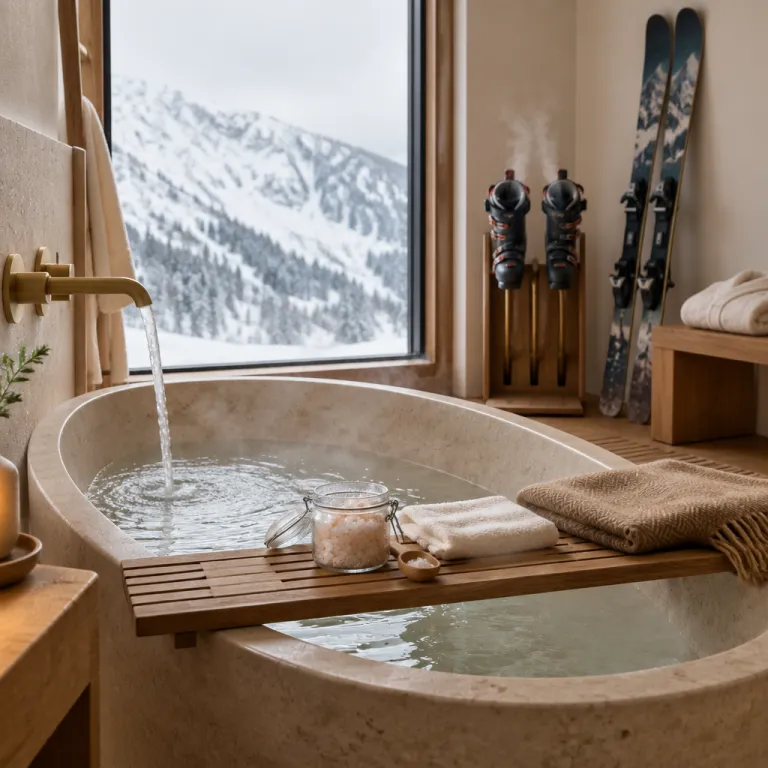
Andorra mountains as a high altitude stage for luxury stays
The Andorra mountains rise sharply from deep valleys, creating a natural amphitheatre for refined ski escapes and spa retreats. This small country between France and Spain offers high elevations, yet the distances between ski resorts, thermal centres, and the capital city remain short and convenient. For travellers seeking premium hotels, the geography of Andorra means you can ski, shop, and dine at altitude in a single day.
Set in the central Pyrenees of southern Europe, Andorra combines Catalan heritage with French and Spanish influences in its architecture, cuisine, and service style. Luxury hotels in the Andorra mountains often frame views of the Valira river valley, with suites oriented towards dramatic pic silhouettes such as Pic de Medecourbe and Pic de l’Estanyó. This interplay between rugged mountains and polished interiors defines the country’s most exclusive properties and underpins many guests’ lasting memories.
The geography of Andorra is compact yet varied, with elevations ranging from about 900 metres in the valleys to some of the highest peaks above 2 900 metres. Around Andorra la Vella and Escaldes Engordany, premium hotels cluster near shopping avenues, while in Ordino and Sant Julià de Lòria they sit closer to quiet slopes and forests. Guests can choose between city Andorra sophistication in the capital city and more secluded mountain retreats in smaller parishes, all within a short drive.
Historically, Andorra’s political structure as a co principality, with the Bishop of Urgell and the President of France as joint heads of state, has helped preserve its independence and alpine character. The influence of the Diòcesi d’Urgell and the legacy of the medieval Counts of Foix still echo in place names and cultural traditions. This blend of ecclesiastical and secular heritage gives the Andorra mountains a distinctive identity that many luxury travellers find intriguing.
Several of the country’s highest summits, such as Font Blanca and the ridges above the Madriu Perafita Claror valley, form a dramatic skyline visible from many hotel terraces. On a clear day in Andorra, guests can trace the border ridges that separate France and Spain while enjoying a glass of Catalan cava in a rooftop lounge. The sense of being suspended between countries, cultures, and elevations is part of the Andorra mountains’ enduring appeal.
Choosing the right Andorra ski resort for premium comfort
Luxury travellers in the Andorra mountains usually focus on three main ski areas, each with a distinct character and hotel scene. Grandvalira, which includes Pas de la Casa and neighbouring sectors, offers the largest skiable domain and the widest choice of high end slopeside properties. Vallnord Pal Arinsal and the Ordino Arcalís area appeal to guests who prefer quieter pistes and a more intimate connection with the surrounding mountains.
Pas de la Casa, perched near the border with France, sits at one of the highest elevations in the country and often enjoys reliable snow. Here, premium hotels overlook a compact village where French and Spanish influences meet in lively après ski venues and duty free boutiques. Guests who value ski in ski out access in the Andorra mountains will find several properties that place the slopes almost at the doorstep.
In contrast, the parish of Ordino and the Ordino Arcalís sector feel more secluded, with hotels often set against forested slopes and steep pic profiles. Many travellers choose Ordino when they want to combine advanced skiing with quiet evenings, fine Catalan cuisine, and views towards peaks such as Font Blanca and Pic de l’Estanyó. The geography of Andorra in this northern valley creates a sense of retreat, while still keeping the capital city within a manageable drive.
For guests who prioritise wellness as much as skiing, Escaldes Engordany stands out thanks to its thermal waters and spa culture. Several luxury hotels here integrate direct access to thermal circuits, allowing visitors to move from the Andorra mountains’ cold air to warm mineral pools in minutes. Planning an autumn or early winter stay when the larches turn gold can be particularly rewarding, and resources such as this guide to Andorran autumn colour stays help refine timing.
Whichever ski resort you choose, it is worth considering how many days in Andorra you plan to spend on the slopes versus exploring cultural sites. Some guests split their stay between a high altitude hotel near Pas de la Casa and a second property closer to Andorra la Vella or Sant Julià de Lòria. This approach allows you to experience both the energetic side of the Andorra mountains and the quieter valleys shaped by centuries of pastoral life.
Inside luxury hotels in the Andorra mountains
Premium hotels in the Andorra mountains tend to emphasise large windows, natural stone, and warm wood, echoing the surrounding Pyrenees landscape. Suites often frame specific peaks, with some properties highlighting sunrise views towards Pic de Medecourbe or sunset silhouettes over Font Blanca. At higher elevations, architects use stepped terraces to ensure that both rooms and shared lounges capture the best mountain panoramas.
Service in these hotels reflects the country’s tri lingual culture, with Catalan, French, and Spanish commonly spoken alongside English. Many concierges are adept at arranging cross border experiences that link France and Spain in a single itinerary, from Michelin starred lunches to private ski guiding. This multilingual, cross cultural expertise is a key advantage when planning a refined ski escape in a country literally positioned between France and Spain.
Wellness facilities are a defining feature of luxury stays in the Andorra mountains, especially around Escaldes Engordany and Andorra la Vella. Expect extensive spa menus, hydrotherapy circuits, and heated outdoor pools where guests can watch snow fall on nearby pics while remaining immersed in warm water. Some properties also offer altitude focused fitness programmes, helping visitors adapt to the high geography of Andorra before tackling demanding ski runs.
Gastronomy is another highlight, with restaurants often blending Catalan mountain recipes, French techniques, and Spanish ingredients. Menus might feature game from local valleys, cheeses from farms near Sant Julià de Lòria, and wines from both France and Spain, all presented with contemporary finesse. In many hotels, chefs work closely with sommeliers to create pairings that reflect the Andorra mountains’ position at the crossroads of European culinary traditions.
For travellers who want a structured approach to planning, curated resources such as this refined ski escape guide can help align hotel choices with specific ski areas and elevations. These tools are particularly useful if you intend to combine several parishes, such as staying first in Ordino and then in the capital city. By mapping your route carefully, you can experience different faces of the Andorra mountains without sacrificing comfort or time.
Andorra la Vella, Escaldes Engordany and urban elegance at altitude
While many travellers focus on ski in ski out properties, the urban core around Andorra la Vella and Escaldes Engordany offers a different kind of luxury. Here, premium hotels rise above shopping avenues, Romanesque churches, and the Valira river, blending city Andorra energy with mountain views. Guests can spend the morning in designer boutiques and the afternoon in rooftop spas that frame the surrounding peaks.
The historic centre of Andorra la Vella, sometimes referred to as Vella Andorra in older texts, preserves stone houses and narrow lanes that contrast with modern glass facades. From this compact capital city, it is easy to reach both the higher ski resorts and quieter parishes such as Sant Julià de Lòria or Ordino. Many travellers choose to base themselves here for part of their stay, using the excellent road network to access the wider Andorra mountains.
Escaldes Engordany, directly adjacent to the capital, is renowned for its thermal heritage and contemporary cultural venues. Luxury hotels in this parish often connect guests to large spa complexes, art exhibitions, and concert halls, creating a sophisticated counterpoint to the rugged Pyrenees outside. The combination of wellness, culture, and shopping makes this area particularly attractive for mixed interest groups or non skiers.
For those planning an extended itinerary, resources such as this guide to elegant city escapes in Andorra la Vella provide detailed suggestions on neighbourhoods and hotel categories. These insights help you balance time between the Andorra mountains and the urban core, especially if you value fine dining and evening entertainment. A carefully chosen city base can also simplify logistics for day trips into France or Spain.
Even in the capital, the geography of Andorra remains present, with steep streets and viewpoints that reveal the surrounding pics and ridges. On a clear day in Andorra la Vella, you can look up from a hotel terrace and trace the outlines of high summits that define the national skyline. This constant visual connection between city and mountains is one of the reasons many guests return to the country for repeat stays.
Cultural layers in the Andorra mountains: history, language and identity
Understanding the cultural fabric of the Andorra mountains can enrich any luxury stay, especially for guests who appreciate context as much as comfort. The official language is Catalan, yet French and Spanish are widely spoken, reflecting centuries of interaction with neighbouring regions. This linguistic blend appears in hotel staff conversations, restaurant menus, and even in the names of peaks, valleys, and parishes.
Politically, Andorra is unique in Europe as a co principality, with two heads of state who share authority. One is the Bishop of Urgell, representing the Diòcesi d’Urgell, and the other is the President of France, a structure that evolved from medieval agreements involving the Counts of Foix. This arrangement has helped the country maintain stability while preserving its mountainous character and relative autonomy between France and Spain.
Religious and historical landmarks are scattered throughout the Andorra mountains, often close to modern ski infrastructure and luxury hotels. Romanesque churches dedicated to Sant Miquel, Sant Esteve, or other saints stand near contemporary buildings, creating striking visual contrasts. In Sant Julià de Lòria, for example, visitors can move from historic chapels to sleek hotel lobbies within a short walk.
Protected landscapes such as the Madriu Perafita Claror valley showcase how geography and culture intertwine in Andorra. This glacial valley, recognised for its cultural and natural value, preserves evidence of transhumance routes, stone cabins, and terraced fields that once supported high altitude pastoral life. Guests staying in nearby parishes can arrange guided excursions that explain how these mountains shaped local society long before ski lifts appeared.
Even peak names carry stories, from Pic de Medecourbe on the tripoint between Andorra, France, and Spain to Font Blanca overlooking remote valleys. Learning a little about this toponymy can make views from your hotel balcony more meaningful, turning each visible pic into a reference point in the country’s history. For many travellers, this deeper understanding transforms a stay in the Andorra mountains from a simple holiday into a richer cultural experience.
Practical planning for high end stays in the Andorra mountains
Planning a luxury trip to the Andorra mountains begins with choosing the right season for your priorities. Winter brings reliable snow to high elevation resorts such as Pas de la Casa and Ordino Arcalís, ideal for guests focused on skiing and snowboarding. Spring and autumn, by contrast, highlight hiking, wellness, and cultural exploration, with fewer crowds and softer light on the surrounding pics.
Access to the country is exclusively by road, with main routes arriving from France and Spain through mountain passes and tunnels. Many premium hotels offer private transfers from nearby French or Spanish train stations, simplifying arrival for guests who prefer not to drive. Once in Andorra, the compact geography means that even the most distant ski resorts are usually within an hour’s drive from the capital city.
When selecting a hotel, consider how many days in Andorra you plan to spend in each parish. A common strategy is to divide time between a slopeside property in the higher Andorra mountains and a second hotel in Andorra la Vella or Escaldes Engordany. This split stay allows you to enjoy both early morning ski sessions and later evenings in urban restaurants and cultural venues.
Travellers sensitive to altitude should pay attention to elevation when choosing between resorts and valleys. While the highest peaks such as Font Blanca or Pic de l’Estanyó rise well above 2 800 metres, many hotels sit at more moderate heights that feel comfortable for most guests. Discussing your preferences with hotel staff in advance can help match you with the right combination of views, access, and physical comfort.
Finally, consider how the Andorra mountains fit into a broader itinerary that may include France and Spain on either side of the border. Some guests arrive from Toulouse or Barcelona, spend several nights in the country, then continue towards other Pyrenees destinations. By treating Andorra as both a standalone destination and a refined stop within a larger European journey, you can make the most of its unique position between cultures, elevations, and landscapes.
Key figures and geography of the Andorra mountains
- The highest peak in Andorra is Coma Pedrosa at 2 942 metres above sea level, making it one of the prominent summits in the central Pyrenees (Government of Andorra, tourism data; VisitAndorra.com).
- The total area of the country is about 468 square kilometres, which means that luxury hotels, ski resorts, and cultural sites are all located within relatively short driving distances (Government of Andorra, geographic statistics; Departament d’Estadística d’Andorra).
- The Madriu Perafita Claror valley covers roughly 42.5 square kilometres, representing almost 9 percent of Andorra’s territory and illustrating the importance of protected mountain landscapes in national planning (UNESCO World Heritage Centre; UNESCO WHC Ref. 1160).
- Grandvalira, the largest ski area in Andorra, offers more than 200 kilometres of ski slopes, placing it among the most extensive ski domains in southern Europe (Grandvalira resort information; Grandvalira Turisme SA).
- Andorra receives an estimated 8 to 9 million visitors per year, with a significant proportion attracted by winter sports and mountain activities that support the development of luxury and premium accommodation (Andorra Tourism Board; Andorra Turisme SAU).
FAQ about luxury stays in the Andorra mountains
Which area of Andorra is best for a luxury ski holiday ?
Grandvalira, particularly sectors near Pas de la Casa and Soldeu, offers the widest choice of high end ski in ski out hotels. Ordino Arcalís appeals to advanced skiers seeking quieter slopes and more secluded properties. Many travellers combine these areas with a few nights in Andorra la Vella or Escaldes Engordany for spa and shopping.
How many days in Andorra are ideal for a premium winter stay ?
A stay of five to seven nights usually allows time to explore at least two ski areas and enjoy spa facilities without rushing. Shorter three night breaks work well if you focus on a single resort in the Andorra mountains. Longer visits are recommended if you plan to include cultural excursions and cross border day trips into France or Spain.
Is Andorra suitable for non skiers who still want a mountain luxury experience ?
Yes, the country offers extensive spa facilities, thermal centres, shopping, and cultural sites that appeal to non skiers. Escaldes Engordany and Andorra la Vella are particularly attractive for guests who prefer wellness, gastronomy, and urban comforts with mountain views. Many hotels also organise guided walks, snowshoeing, and scenic drives for guests who do not ski.
What is the best way to reach luxury hotels in the Andorra mountains ?
Most international travellers arrive via Barcelona, Toulouse, or other nearby cities in France and Spain, then continue by road. Private transfers arranged through premium hotels are common and convenient, especially in winter. Renting a car provides more flexibility for exploring different parishes and ski resorts during your stay.
Are the Andorra mountains a good choice for multi generational luxury trips ?
The compact geography of Andorra, combined with varied activities and hotel styles, makes it well suited to multi generational travel. Skiing, spas, shopping, and cultural visits can all be reached within short drives, allowing different family members to pursue their interests. Many high end properties also offer family suites and connecting rooms designed for larger groups.